

North Carolina Furniture Manufacturing Businesses for Sale - DealStream
Discover top-quality North Carolina furniture manufacturing businesses for sale and secure your next high-return investment in the state’s booming home décor industry. Whether you’re looking to buy a turnkey upholstery shop, custom woodworking studio or contract furniture plant in Raleigh, Charlotte or Asheville, our up-to-date NC listings showcase detailed financials, growth potential and seller-financing options. Browse now to find your perfect furniture manufacturer for sale in North Carolina and take advantage of a thriving market!
All Matching Deals
Custom Furniture Manufacturer with Real Estate
Presented for sale is a longstanding, well known contract furniture manufacturer that crafts high-quality upholstered and wood exposed products embodying elegance, durability, and timeless style. With a rich heritage dating back for decades, the company enjoys a diverse and loyal customer base with...
Metal Furniture Manufacturing with Strong Legacy
American craftsmanship, diverse product range, and multiple opportunities, rare find and attractive acquisition for entrepreneur or investor. Highly respected metal furniture manufacturing with nearly seven decades of proven success. Founded in 1956, this business has built a rock-solid reputation...

Shape Your Future – Wood Component Man. (RE Incl)
Located in North Carolina, the heart of US furniture production, this reputable wood component manufacturing business is now available for acquisition. With an average of $1.29 million in annual revenue, the company has a great reputation built on quality, consistency, and reliability. The company...
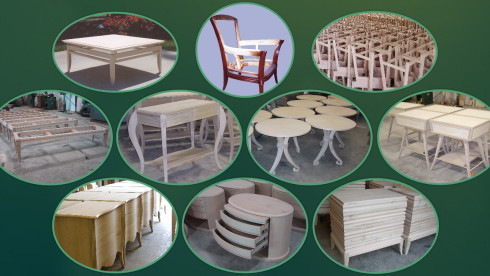
Big-Scale Furniture & Component MFG in NC
Found in a desirable area of North Carolina, this manufacturer focuses small-large scale production of high-end wood furniture & components for furniture manufacturing companies. Opportunity includes plan drawings, trademarks, copyrights and trade secrets! Products include Chairs and bases, tables,...
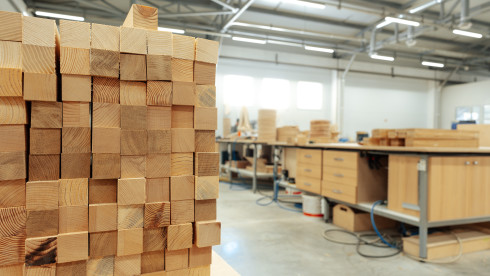
Furniture Components Manufacturer
For more than 30 years, this manufacturer of furniture component parts has built a reputation for quality and reliability in providing parts to a diverse assortment of highly recognized furniture brands. And a recently added new client has led to even greater demand in 2025. The business has two...
Tips for Buying Furniture Manufacturing Businesses In North Carolina
Understand the Local Market Dynamics
Before making an offer, take time to research the furniture manufacturing industry in North Carolina. The state has a longstanding tradition in furniture making, particularly in areas like High Point, which is known as the “Furniture Capital of the World.” Analyzing competitors, pricing trends, and preferred styles can help you identify opportunities and threats in the region. Be sure to review economic data, local regulations, and employment conditions that may impact production costs or product demand.
Conduct Thorough Due Diligence
Once you've identified a prospective business, dive deep into its financials and operations. Request several years of financial statements, supplier contracts, customer lists, and information on the condition of manufacturing equipment and facilities. Inspect the real estate and machinery for hidden liabilities, as repairs or upgrades can be costly. Also, check for legal issues, such as intellectual property rights for designs, zoning compliance, and any pending lawsuits. This comprehensive due diligence will help you gauge the long-term viability of the business.
Evaluate Workforce and Supplier Relationships
In North Carolina, skilled labor and reliable supply chains are critical to success in furniture manufacturing. Assess the existing workforce’s experience, tenure, and skill set, and determine if key employees are willing to stay after the sale. Strong relationships with suppliers and logistics partners are equally important, as disruptions can cause costly delays. Consider negotiating transition periods or consulting agreements with the current owner to maintain these relationships and ensure a smooth handover.
Browse Other Categories In North Carolina
- Auto Repair
- Construction
- Convenience Stores
- E-commerce
- Financial Services
- Franchises
- FSBO Businesses
- Gas Stations
- Healthcare
- Investment Opportunities
- Manufacturing
- Medical Practices
- Middle Market Businesses
- Owner Financed Businesses
- Real Estate
- Restaurants
- Retail Stores
- Small Businesses
- Transportation
- Wholesale Businesses
Browse By Locations In North Carolina
- Mecklenburg County, NC
- Wake County, NC
- Buncombe County, NC
- Guilford County, NC
- New Hanover County, NC
- Cumberland County, NC
- Catawba County, NC
- Dare County, NC
- Cabarrus County, NC
- Durham County, NC
- Charlotte, NC
- Raleigh, NC
- Asheville, NC
- Greensboro, NC
- Wilmington, NC
- Hickory, NC
- Kill Devil Hills, NC
- Fayetteville, NC
- Durham, NC
- Forest City, NC