

Hawaii Agriculture Businesses for Sale – Farms & Plantations
Discover Hawaii agriculture businesses for sale on DealStream and tap into the islands’ booming agribusiness market. From coffee plantations on the slopes of Mauna Kea to organic macadamia orchards on Maui and pineapple farms on Oahu, our curated Hawaii agribusiness listings offer unparalleled investment opportunities. Whether you’re an experienced farm owner or a first-time investor, browse detailed profiles, financials, and expert insights to find your ideal Hawaii farm or ranch—start exploring today and grow your legacy in tropical agriculture!
All Matching Deals
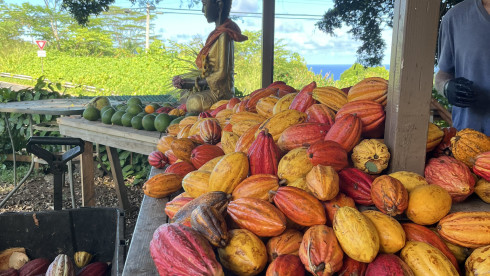
Self Sustainable Tropical Estate & Cacao Farm
Very private, off the grid, self-sustainable 14-9-acre tropical estate, with ocean views, in East Maui. The property boundaries are formed by 2 rivers and is located close to the ocean. There is: a 450' well providing crystal clear fresh water, 55 solar panels producing 22 KVA (which produce power...

4.5-Acres with House, a Cottage, & 7 Green Houses
Agricultural zoning with a hard to come by 2” water meter for any kind of farming. 7 green houses all set up with cooling walls, swamp coolers, Fohse lighting system, Munters cooling fans, pollen screens, Growtronix –automated plant monitoring system, auto-irrigation & fertilizer system, security...
Rare Opportunity To Take The Helm Of An Established Kona Coast Farm
Business represents an exceptional opportunity to acquire a fully operational, income‑producing agricultural and hospitality business in one of Hawaiʻi Island’s most culturally rich and naturally stunning regions. Located in South Kona near the historic community of Hōnaunau, this turnkey property blends...
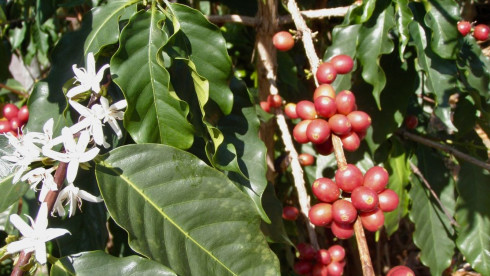
Turnkey Kona Coffee Farm & Brand – Multi-Generational Legacy
Imagine waking up every morning to the aroma of fresh Kona coffee drifting through your windows. That's exactly what you'll experience as the new owner of a multi-generational coffee farm nestled in the heart of Captain Cook's lush hills. This isn't just another business opportunity – it's your...
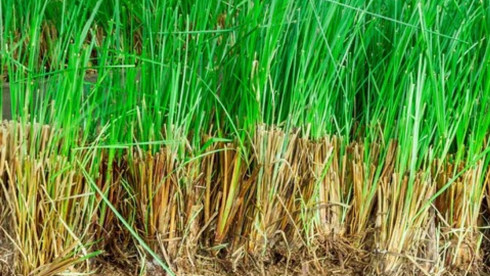
Rooted Success: Thriving Vetiver Grass
Discover Paradise Profit: Rare Opportunity to Acquire a Thriving Vetiver Grass and Essential Oil Business in Beautiful Hawai'i! Key Features: Vetiver’s Proven Solutions: This business is a leader in the cultivation and use of vetiver grass, known for its exceptional ability to remediate soil,...
Tips for Buying Agriculture Businesses In Hawaii
Understand Local Regulations and Land Use
One of the first steps to successfully buying an agriculture business in Hawaii is to thoroughly understand state and local zoning laws, water rights, and land use regulations. Hawaii has unique restrictions and requirements for agricultural land, including issues around conservation, land classification, and allowable business activities on farmland. Before making any investment, consult with local experts or an agricultural attorney to verify the business is compliant and ensure the property’s intended use aligns with legal requirements.
Evaluate Access to Resources and Distribution Channels
Due to Hawaii’s geographic isolation, securing reliable access to water, labor, and supply chains is crucial. Investigate water permits and infrastructure on the property, as scarcity or regulatory issues can significantly impact operations. Consider the availability of experienced agricultural labor, which can be limited on the islands. Research how current owners distribute their products—locally, to the mainland, or internationally—and assess the sustainability and scalability of these channels before committing to the purchase.
Assess Environmental Risks and Opportunities
Hawaii’s agriculture businesses face a range of environmental challenges, including invasive species, climate variability, pests, and susceptibility to hurricanes or volcanic activity. Conduct thorough due diligence on the farm’s history with crop diseases, soil quality, and any existing mitigation measures. On the other hand, Hawaii offers unique opportunities for specialty crops like coffee, macadamia nuts, or tropical fruits. Analyze which crops best fit the microclimate and existing farm infrastructure to maximize your chances of long-term success.