

Raise Capital in New Zealand: Funding Opportunities on DealStream
Discover the most active New Zealand fund-raising deals on DealStream – your global marketplace for business capital and investment opportunities. Whether you’re a Kiwi startup seeking venture capital in Auckland, Wellington or Christchurch, or an angel investor hunting high-growth projects, our curated listings connect you instantly with the right partners. Browse New Zealand equity, private-debt and crowdfunding campaigns, compare deal terms, and engage directly with entrepreneurs raising funds. Start exploring New Zealand’s vibrant funding ecosystem today and secure the investment you need to grow.
Showcased Deals
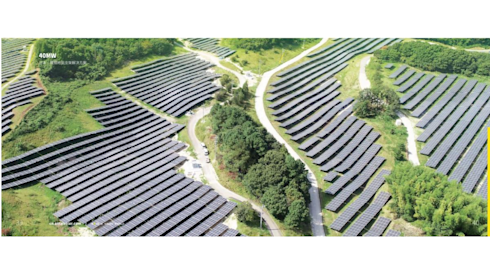
Grid-Connected Solar Farm + Battery Project
Fully consented, utility-scale solar farm with battery storage located in Northland, New Zealand. Project Highlights: 5.3 MW solar generation with 2.5 MWh battery storage Proven solar resource with strong, stable output Grid-connected with existing network access Land secured (16 ha freehold) Turnkey...

New Zealand Apartment Complex
About Us Established in 2003, Business is a debt-free, Auckland-based developer with over 22 years of operational history. Initially active in the forestry and sawmilling sectors, it has successfully transitioned to delivering mid-density apartment developments in Auckland’s most desirable city fringe...

Retirement Home Shared Ownership Model
A New Build Retirement Village with 21 serviced care rooms & 31 assisted care rooms (total 52 rooms over 5 floors with 2 levels of underground car parking), offering investors a clear capital return, recurring annual income, and strong downside protection through retained real-asset ownership. The...
All Matching Deals
Retirement Home Shared Ownership Model
A New Build Retirement Village with 21 serviced care rooms & 31 assisted care rooms (total 52 rooms over 5 floors with 2 levels of underground car parking), offering investors a clear capital return, recurring annual income, and strong downside protection through retained real-asset ownership. The...
Grid-Connected Solar Farm + Battery Project
Fully consented, utility-scale solar farm with battery storage located in Northland, New Zealand. Project Highlights: 5.3 MW solar generation with 2.5 MWh battery storage Proven solar resource with strong, stable output Grid-connected with existing network access Land secured (16 ha freehold) Turnkey...
New Zealand Apartment Complex
About Us Established in 2003, Business is a debt-free, Auckland-based developer with over 22 years of operational history. Initially active in the forestry and sawmilling sectors, it has successfully transitioned to delivering mid-density apartment developments in Auckland’s most desirable city fringe...

Invest in Queenstown NZ, Luxury Villa Hotel
Project Overview: A rare opportunity to invest in a luxury villa hotel development in the heart of Queenstown, New Zealand, one of the world’s most sought-after tourism destinations. The project allows for up to seven independent luxury villas, each on its own freehold title, creating a low-risk, asset-backed...

Affordable Housing Project Auckland New Zealand
As in most countries, New Zealand has a problem with Affordable Housing, The Central Government has tackled the problem with a guaranteed underwriting of up to 60% of the developments' housing. This is designed to enable development funding in a tight market and surprisingly, to ensure the viability...
Pros And Cons Of Private Investing
Potential for High Returns
One of the main attractions of investing in private companies is the potential for significant financial returns. Private businesses, especially early-stage startups, often grow rapidly if they succeed, offering investors the chance to realize much higher returns than those typically found in public markets. The value of your investment can increase dramatically if the company is acquired or goes public, resulting in a substantial profit on your original investment.
Limited Liquidity and Exit Challenges
On the downside, private investments generally suffer from low liquidity. Unlike stocks traded on public exchanges, you typically cannot sell your shares in a private company whenever you want. Finding a willing buyer can be challenging, and often you must wait for a specific event, like an acquisition or IPO, before you can cash out. This ties up your capital for an extended period and can be a significant disadvantage, especially if you might need access to your funds.
Greater Risk and Need For Due Diligence
Private companies, particularly startups, are inherently risky. Many new ventures fail, and investing without thorough due diligence—carefully researching the business, market, management, and financials—can lead to losses. As a private investor, you have less regulatory protection and often much less information compared to investing in public companies. That’s why it's critical to scrutinize every aspect of the business opportunity and only invest what you can afford to lose.